How Much Does It Cost To Mail A Postcard? A Full Guide
How much does it cost to mail a postcard? See USPS rates by size, real costs, and ROI tips to mail smarter. Cut waste and book a demo under $1 postage.

MVP Marketing
marketing manager
·9 min read
·Jan 15, 2026


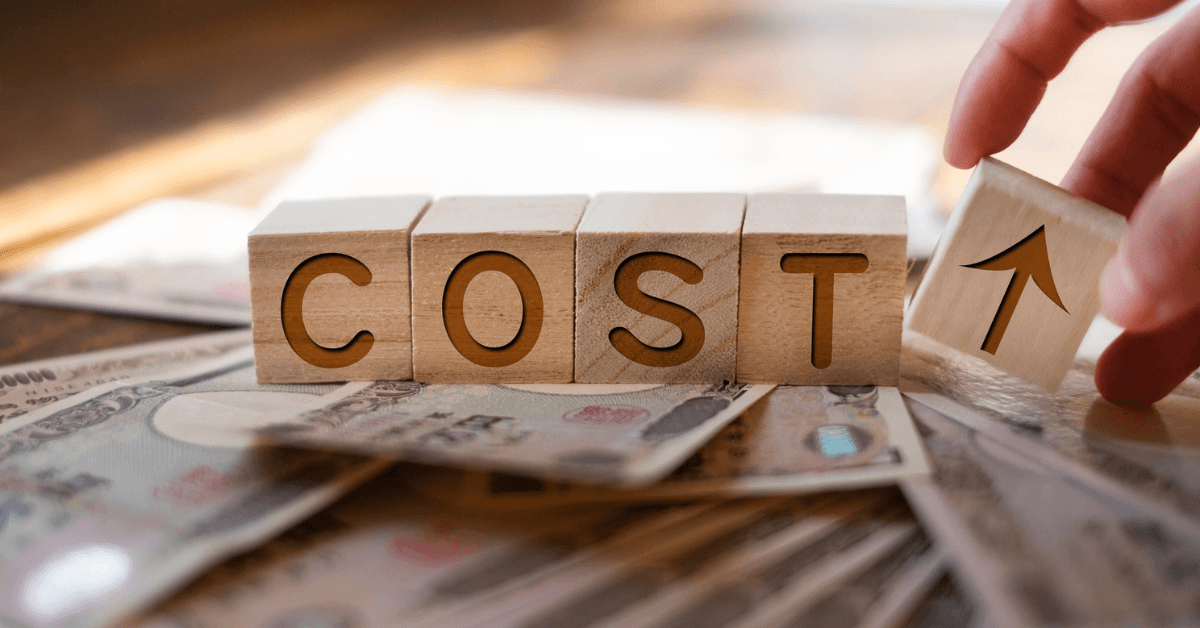
If you’ve ever asked yourself how much does it cost to mail a postcard, you’re not alone and the answer is more nuanced than most people expect.
At a glance, mailing a postcard can cost less than a dollar per piece, but that number changes quickly depending on size, format, and how you send it. For businesses, especially those using direct mail marketing in competitive industries like dental marketing, small cost differences can have a meaningful impact on campaign ROI.
This guide breaks down postcard mailing costs clearly and practically. You’ll learn:
- Current USPS postcard mailing costs
- How postcard size directly affects postage
- Why larger postcards can cost more but sometimes perform better
- How understanding these costs helps you make smarter direct mail decisions
Let’s start with the foundation: USPS postcard rates and how they’re calculated.
USPS Postcard Mailing Cost: The Baseline You Need to Know
When people talk about postcard postage, they’re usually referring to USPS Marketing Mail or First-Class Mail postcard rates. The most common and simplest option is the USPS postcard stamp rate, which applies only if your postcard meets strict size requirements.
As of now, USPS offers a reduced postcard rate for postcards that fall within a specific size range. If your postcard qualifies, it costs less than mailing a standard letter, one of the reasons postcards remain so popular for direct mail campaigns.
However, not all postcards qualify. The USPS defines a postcard as:
- Rectangular
- No envelope
- Made of cardstock or thick paper
- Written or printed on one side
Most importantly, size matters.
USPS Postcard Rates by Size (Why Dimensions Matter More Than You Think)
USPS postcard rates by size are not flexible. If your postcard is even slightly outside the approved dimensions, it no longer qualifies for postcard pricing and is charged as a letter instead.
To qualify for postcard postage:
- Minimum size: 3.5” x 5”
- Maximum size: 4.25” x 6”
- Maximum thickness: 0.016”
Anything larger triggers higher postage.
This is where many businesses get caught off guard. A popular 5” x 7” postcard, for example, does not qualify for postcard rates even though it’s still called a “postcard” in marketing terms.
If you’re unsure how different formats compare, this Guide to Postcard Sizes for Direct Mail Marketing breaks down common sizes and when each one makes sense.
How Much Does It Cost to Mail by Postcard Size?
So how much does it cost to mail by postcard size in real terms?
Here’s the practical breakdown:
Small USPS-qualified postcards (4” x 6”)
- Lowest postage cost
- Ideal for high-volume campaigns
- Limited space for messaging
Mid-size postcards (5” x 7”)
- Higher postage (letter rate)
- Better visibility and response rates
- More room for offers and branding
Large postcards (6” x 9” and up)
- Highest postage tier
- Strong visual impact
- Often used for promotions, reminders, or high-value prospects
This naturally leads to a common question:
Do Larger Postcards Cost More to Mail?
Yes, larger postcards do cost more to mail, but that doesn’t automatically make them a worse choice.
In fact, many businesses intentionally choose larger formats because:
- They stand out more in the mailbox
- They increase readability for older audiences (important in dental marketing)
- They often produce higher response rates
Postage is only one part of the equation. Campaign success depends on cost per response, not just cost per piece. That’s why understanding total campaign economics: postage, printing, and conversion is critical.
If you want a broader cost framework beyond postage alone, this article on How Much Does Direct Mail Cost provides helpful context.
Why Understanding Postcard Mailing Costs Matters for Direct Mail Marketing
For businesses using direct mail marketing, postcard costs aren’t just an operational detail, they shape strategy.
Knowing your USPS postcard mailing cost helps you:
- Choose the right postcard size for your goal
- Balance reach vs. impact
- Predict campaign spend accurately
- Compare direct mail ROI against digital channels
This is especially relevant in dental marketing, where practices often mail thousands of postcards to local households. Saving a few cents per piece or spending slightly more for better performance can change outcomes dramatically.
What Actually Drives the Total Cost of Mailing a Postcard?
Postage is only one piece of the puzzle. If you’re trying to understand how much does it cost to mail a postcard in real-world terms, you need to look at the entire cost stack: printing, paper, preparation, and mailing method. This is where many businesses underestimate (or misunderstand) their true investment.
Let’s break down what really affects your total USPS postcard mailing cost and why these decisions matter far beyond price alone.
Printing Costs: Where Most Budgets Are Won or Lost
Printing is often the largest variable cost in a postcard campaign. Two postcards with identical postage can have very different total costs depending on how they’re printed.
Key factors that influence postcard printing cost include:
- Quantity (higher volume lowers cost per piece)
- Color vs. black-and-white
- Single-sided vs. double-sided printing
- Finish (gloss, matte, UV coating)
For businesses new to direct mail, this overview of Direct Mail Printing: Everything You Need to Know helps clarify what actually affects pricing and what doesn’t.
From a strategic standpoint, cheaper printing isn’t always better. In competitive industries like dental marketing, postcards that look cheap are often ignored. Print quality directly impacts credibility.
Paper Quality and Thickness: Small Detail, Big Impact
Paper choice affects cost, durability, USPS compliance, and response rates, all at once.
Thicker cardstock costs more to print but:
- Feels more substantial in the hand
- Resists damage during USPS processing
- Signals professionalism and trust
USPS has strict thickness limits, especially for postcard-rate pieces, which makes paper selection even more important. If you go too thin, the postcard feels flimsy. Too thick, and you may trigger higher postage.
If you want to understand how paper choice affects both cost and performance, Best Paper for Postcards: Direct Mail Printing offers practical guidance without overcomplicating the decision.
Mailing Method: Postcard Rate vs. Marketing Mail vs. EDDM
Not all postcards are mailed the same way. Your mailing method significantly affects total cost and who actually receives your card.
The most common options include:
- USPS postcard rate (size-restricted, lowest postage)
- USPS Marketing Mail (lower cost at scale, slower delivery)
- Every Door Direct Mail (EDDM) for saturation campaigns
Each option serves a different goal. For example, dental practices often prefer saturation mailers to reach entire neighborhoods around their office, even if the per-piece cost is slightly higher.
If you’re comparing USPS options against managed mailing services, EDDM vs. MVP: Which Is Better For Your Dental Practice breaks down cost, control, and performance differences clearly.
The Hidden Cost Most Businesses Miss: Time and Errors
DIY postcard mailing looks cheaper on paper but mistakes are expensive.
Common issues include:
- Incorrect sizing that disqualifies postcard rates
- Addressing errors that cause USPS rejections
- Formatting issues that delay delivery
That’s why many cost-conscious businesses still outsource. This beginner-friendly guide on How to Send Direct Mail: A Step-by-Step Guide for Beginners shows how the process works and where professional support often pays for itself.
How Cost Awareness Improves Campaign Results (Not Just Budgets)
Understanding postcard mailing costs doesn’t just help you spend less, it helps you spend smarter.
When you know:
- How much each postcard truly costs
- Which sizes qualify for lower postage
- Where quality impacts response
You can design campaigns around performance, not guesswork.
For dental practices, this means:
- Mailing fewer postcards with better offers
- Targeting households more strategically
- Tracking cost per new patient, not just postage
If you’re worried about whether direct mail is even worth it, Is Direct Mail Too Expensive for Small Business reframes cost in terms of long-term value.
Putting It All Together: Cost, ROI, and Smarter Postcard Mailing Decisions
By now, the answer to how much does it cost to mail a postcard should feel far clearer and more actionable.
Postcard mailing isn’t expensive by default. It becomes expensive only when costs are misunderstood, poorly planned, or disconnected from performance. When you understand how size, printing, paper, and USPS mailing options work together, postcard marketing becomes one of the most predictable and controllable channels available.
Real-World Cost Scenarios: What Businesses Actually Spend
Let’s ground this in practical terms.
A small USPS-qualified postcard may have the lowest postage, but once you factor in design, printing, and list targeting, your total cost per piece might land in the low-to-mid range per postcard. Larger postcards cost more to mail, but they often deliver stronger visibility and higher response rates especially in crowded mailboxes.
This is why cost alone is the wrong metric. What matters is cost per result.
A dental practice that mails:
- Fewer, better-designed postcards
- To the right households
- With a clear offer and call to action
Can outperform a cheaper, high-volume campaign that generates little response.
If you want to frame cost against performance, this guide on How to Calculate ROI from Your Direct Mail Campaign walks through how to connect spend to real outcomes.
Why Postcard Costs Matter Even More in Dental Marketing
In dental marketing, postcards are rarely about one-time responses. They’re about:
- Building local awareness
- Reinforcing trust and credibility
- Staying top-of-mind until care is needed
That’s why understanding USPS postcard mailing cost helps practices make smarter decisions:
- Choosing postcard sizes that stand out without overspending
- Investing in print quality that reflects clinical professionalism
- Mailing consistently instead of sporadically
When costs are predictable, campaigns become repeatable and that’s where long-term growth happens.
Cost Transparency Leads to Better Strategy
One of the biggest advantages of direct mail is cost clarity. Unlike digital ads with fluctuating bids, postcard mailing costs are known upfront.
When businesses know:
- Their true per-piece cost
- Their break-even response rate
- Their average customer value
They can scale confidently.
If you want a transparent look at pricing built specifically for dental practices, Transparent Pricing & Custom Direct Mail Solutions for Dental Practices outlines what to expect and how campaigns are structured.
Final Thoughts: Postcard Mailing Is Simple When You Understand the System
So, how much does it cost to mail a postcard?
It depends but not in a confusing way. Costs are driven by:
- Postcard size
- USPS eligibility
- Printing and paper quality
- Mailing method
- Campaign goals
When those elements are aligned, postcard mailing becomes one of the most efficient tools in direct mail marketing especially for local, service-based businesses like dental practices.
If you’re planning a postcard campaign or want to improve an existing one, the fastest way to avoid costly mistakes is to work with a team that understands both USPS rules and real-world marketing performance.
Visit our website to explore solutions built specifically for dental practices, or schedule a demo to see how smarter postcard mailing can drive predictable growth for your business.
Tags
Data and Analytics
Frequently Asked Questions
Related blog



Ready For Your Success Story?
Get 500 Free Handout cards shipped right to your doorstep!