Direct Mail Printing & Production Guide
Direct mail printing drives up to 5–9% response rates when done right. Learn the production system dentists use to win patients. See how now.

Aaron Boone
ceo
·17 min read
·Mar 6, 2026


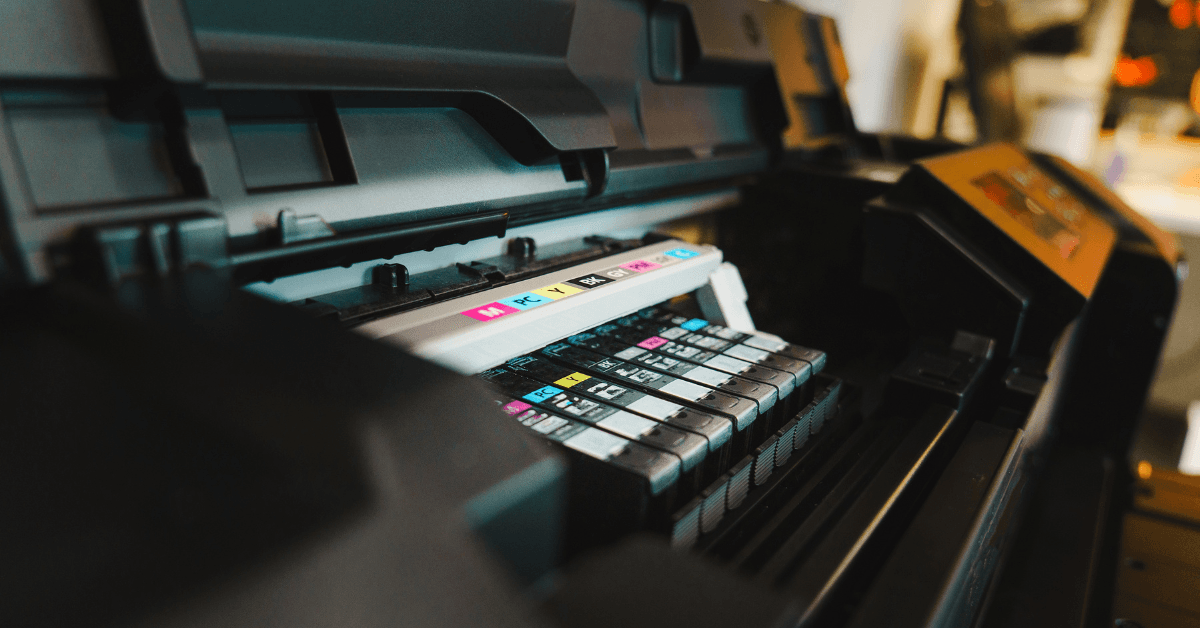
Direct mail printing is still one of the few marketing channels where attention is unavoidable. While inboxes are filtered and ads are skipped, physical mail earns at least a few seconds of real human focus and in industries like dental marketing, those seconds often translate into booked appointments.
Here’s the question most marketers miss: If direct mail works, why do so many campaigns fail to produce consistent ROI?
The answer usually isn’t the offer. It’s the printing and production decisions behind the scenes.
This guide exists to close that gap.
You’re not about to read a surface-level overview of postcards and presses. You’re going to learn how direct mail printing actually works, why certain production choices outperform others, and how experienced mailers think about quality, cost, speed, and response especially for dental practices competing in crowded local markets.
By the end of this guide, you’ll understand:
- How printing decisions influence response rates, not just aesthetics
- Where most direct mail campaigns silently lose money
- How to align printing, personalization, and postal strategy into one cohesive system
This is a practical, production-first guide written from hands-on experience, not theory.
What “Direct Mail Printing” Actually Means (And What It Doesn’t)
Most people think direct mail printing starts with ink on paper.
In reality, it starts far earlier and the printing itself is only one piece of a tightly connected production chain.
At its core, direct mail printing is the process of converting marketing intent into a physically deliverable asset that meets postal regulations, maintains brand integrity, and supports response tracking. That includes design constraints, paper selection, print technology, finishing, addressing, and integration with mailing workflows.
What direct mail printing is not:
- It’s not just graphic design scaled up
- It’s not a commodity you should always shop by lowest price
- It’s not interchangeable with digital printing for brochures or signage
Unlike general print jobs, direct mail must survive:
- High-speed postal automation
- Mechanical handling and sorting
- Environmental exposure
- Legal and USPS compliance checks
A postcard that looks perfect on screen but fails one of those tests becomes expensive scrap or worse, undelivered mail.
Why Printing & Production Decisions Drive Campaign Performance
Here’s a reality most agencies don’t explain to their clients:
Direct mail response rates are influenced as much by production choices as by messaging.
Two identical offers sent to the same list can perform wildly differently based on:
- Paper thickness and rigidity
- Color consistency
- Ink coverage and readability
- Personalization quality
- Physical size and tactile feel
For dental practices, this matters even more. You’re not selling an impulse product you’re asking someone to trust you with their health. Subtle quality cues signal credibility long before a headline is read.
Think about how recipients subconsciously judge mail:
- Thin, flimsy stock → disposable, low effort
- Inconsistent color → unprofessional
- Blurry variable text → mass-produced spam
- Clean, heavy postcard → established, trustworthy
Printing doesn’t just deliver a message. It frames how the message is received.
The Direct Mail Production Ecosystem (Big Picture)
Before diving into presses, paper, and personalization, it helps to understand the full ecosystem.
A successful direct mail campaign moves through five interconnected phases:
- Strategic Intent: Who you’re mailing, why, and what action you want taken
- Creative & Layout Engineering: Designing within print, postal, and data constraints
- Printing Technology Selection: Choosing the right method for volume, personalization, and quality
- Finishing & Personalization: Cutting, coating, variable data, and address integration
- Mailing & Postal Optimization: Presort, compliance, and delivery timing
This guide focuses primarily on phases 2–4, where printing and production decisions live but you’ll see how each phase influences the others.
When any one of these phases is misaligned, the entire campaign suffers.
Digital vs Offset Printing: The First Critical Decision
One of the earliest and most misunderstood, decisions in direct mail printing is print method selection.
Most marketers default to digital printing because it sounds modern and flexible. Offset printing, meanwhile, gets dismissed as outdated or “for huge runs only.”
That’s a mistake.
Offset Printing: When Consistency and Scale Matter
Offset printing excels at:
- Large-volume campaigns
- Color-critical branding
- Long-run cost efficiency
- Thick, premium stocks
Because ink is transferred via plates, offset produces exceptional color uniformity. This matters when:
- A dental brand relies on precise color matching
- Large neighborhoods receive mail over multiple drops
- Perception of professionalism is non-negotiable
Offset printing is often used for:
- Saturation mailers
- EDDM campaigns
- High-volume practice launches or expansions
The tradeoff? Setup costs are higher, and personalization is limited unless paired with hybrid workflows.
Digital Printing: Where Personalization Wins
Digital printing shines when:
- Variable data is central to the strategy
- Volumes are moderate
- Speed and flexibility matter more than unit cost
For dental marketing, this is where personalization becomes a revenue lever. Names, offers, images, and even messaging blocks can change per household without slowing production.
This is why many dental campaigns rely heavily on digital workflows combined with variable data printing, allowing practices to speak directly to different patient segments rather than blasting one generic message.
(We’ll go deeper into this later, including a detailed breakdown of variable data printing and why it consistently outperforms static mail.)
In-House Printing vs Outsourced Production: A Strategic Fork in the Road
Another decision that quietly shapes campaign success is where the printing actually happens.
Some organizations try to keep printing in-house to control costs or turnaround. Others outsource everything to specialized mail houses. Both approaches have tradeoffs but they are not equal in complexity.
In-house printing can work for:
- Small, infrequent runs
- Simple formats
- Organizations with trained print operators
But as soon as you introduce:
- USPS compliance requirements
- High-speed personalization
- Tight delivery windows
- Large-format postcards
…the risk and overhead increase fast.
Outsourced production consolidates:
- Print optimization
- Postal preparation
- Quality control
- Mailing logistics
This is why many successful dental campaigns rely on specialized partners who handle printing and mailing as a single system rather than isolated tasks.
If you want a deeper breakdown of this decision, the comparison between in-house printing vs outsourced printing for direct mail lays out where each approach breaks down in real-world use.
Why Paper Choice Is a Conversion Decision, Not a Design Preference
Paper is often treated as an afterthought.
In reality, it’s one of the strongest tactile persuasion tools in direct mail.
Paper influences:
- How long mail is held
- Whether it bends or creases
- How colors appear
- Whether recipients perceive value
For dental postcards, thicker stocks do more than look nice, they signal permanence. A rigid postcard doesn’t fold into a pocket; it sits on counters and fridges.
Different formats demand different stocks. The paper used for postcards is not the same as what works for letters or folded self-mailers.
We’ll cover paper in depth later, including:
- The exact types of paper used for postcards
- How to choose the best paper for postcards in direct mail printing based on durability, cost, and response
For now, understand this: Paper is part of the message.
How Dental Practices Benefit from Production-Led Direct Mail
Dental marketing is uniquely suited for direct mail but only when production supports strategy.
Why direct mail works so well for dentists:
- Patients are local and addressable
- Services are recurring, not one-time
- Trust and familiarity matter more than novelty
But generic mail fails fast.
High-performing dental campaigns typically combine:
- Personalized messaging by household
- Postcard sizes that dominate the mailbox
- Premium stock that signals credibility
- Clean, legible print with strong contrast
Later sections will break down:
- The best postcard sizes for dental direct mail success
- A full guide to postcard sizes for direct mail marketing and how size affects USPS handling and visibility
The key takeaway here is simple:Production decisions are marketing decisions.
Engineering Direct Mail Printing for Performance (Not Just Appearance)
If Section 1 explained why production choices matter, this section explains how those choices are executed correctly.
This is where most direct mail campaigns quietly succeed or fail.
The difference between a mailer that looks good on a proof and one that performs in real homes usually comes down to execution details most marketers never see: file setup, color handling, ink limits, finishing tolerances, and data integration.
Direct mail printing is unforgiving. Small technical mistakes scale fast when you’re printing thousands of pieces.
Let’s walk through the mechanics.
Print File Preparation: Designing for Machines, Not Screens
Designing for direct mail printing is fundamentally different from designing for digital ads or even standard print collateral.
Print files must work inside:
- High-speed presses
- Automated cutters
- Coaters
- Inkjet addressing systems
- Postal scanners
That means layouts aren’t just aesthetic decisions, they’re mechanical instructions.
Key Layout Constraints That Actually Matter
Most performance issues trace back to ignoring these realities:
- Bleed and trim tolerances: Even modern presses allow slight movement. Designs that rely on razor-thin margins risk white edges or clipped text.
- Quiet zones for addressing and barcodes: USPS automation requires clean areas free of ink and graphics. Violating these zones can slow delivery or cause rejection.
- Ink density limits: Heavy coverage looks great on screen but too much ink can cause smearing, cracking, or offsetting during stacking.
- Readable contrast at speed: Mail is read quickly, often under poor lighting. Subtle gradients and low-contrast text die in the real world.
Experienced production teams design with the press in mind, not just the brand guidelines.
Color Management: Why “It Looked Fine on My Screen” Doesn’t Matter
Color is one of the most misunderstood elements of direct mail printing.
Screens emit light. Paper reflects it.
That single difference explains why so many marketers are disappointed when they see their first printed proof.
CMYK vs RGB: The Non-Negotiable Reality
All commercial direct mail printing uses CMYK color space. Designs built in RGB are guaranteed to shift, sometimes dramatically when converted.
But even CMYK files can fail if:
- Brand colors exceed printable ink limits
- Saturated blues and reds aren’t properly managed
- Black text is built incorrectly (rich black vs true black)
For dental practices, color consistency is more than branding, it’s trust. A logo that shifts between mail drops subtly erodes recognition.
Why Proofing Isn’t Optional
Professional workflows rely on:
- Calibrated digital proofs
- Press-matched samples
- Color profiles tied to specific presses and stocks
Skipping proofing to save time is one of the fastest ways to waste an entire campaign budget.
Paper, Ink, and Coatings: How Physical Feel Shapes Perception
Once ink hits paper, physics takes over. This is where production decisions create emotional signals often without the recipient realizing it.
Ink Absorption and Paper Interaction
Different stocks absorb ink differently:
- Coated stocks keep ink on the surface, producing sharper images
- Uncoated stocks absorb ink, softening colors and edges
For dental mail, coated stocks are typically favored because:
- Smiles look cleaner and brighter
- Text remains crisp
- The piece feels more “finished”
But coating choices matter too.
Coatings: Protection, Durability, and Subtle Persuasion
Common coatings include:
- Gloss (high visual pop, less writable)
- Matte (subtle, premium feel)
- Satin or aqueous (balance of both)
Beyond aesthetics, coatings:
- Protect against moisture and scuffing
- Improve durability through postal handling
- Affect how long mail stays visible in homes
A well-coated postcard survives kitchens, countertops, and car seats. An uncoated one often doesn’t.
Finishing: Where Precision Becomes Performance
Finishing is where printed sheets become mail-ready pieces.
And it’s where tolerances matter most.
Cutting and Sizing Accuracy
High-performing direct mail relies on:
- Consistent dimensions for USPS compliance
- Square corners to avoid feeding issues
- Clean edges that reinforce quality perception
Even minor inconsistencies can:
- Jam addressing equipment
- Trigger postal surcharges
- Make mail feel cheap
This is especially important when using oversized postcards designed to dominate the mailbox.
Variable Data Printing: Personalization Without Chaos
Personalization is one of the strongest drivers of direct mail response but only when executed cleanly. At the production level, variable data printing (VDP) is far more than mail merge.
How Variable Data Is Actually Applied
Modern VDP systems integrate:
- Databases tied to layout rules
- Conditional logic for offers and images
- Real-time print stream changes
This allows:
- Names, offers, and headlines to change per household
- Messaging to adapt by distance, demographics, or service need
- Personalization at full press speed
But this power introduces risk.
Where VDP Breaks Down
Most failures happen when:
- Data isn’t properly normalized
- Fonts aren’t optimized for inkjet overlays
- Variable elements are placed too close to trim edges
- Quality control checks are skipped
In dental marketing, sloppy personalization feels worse than none at all. Misspelled names or misaligned text instantly break trust.
This is why VDP should always be paired with rigorous proofing and test runs, not rushed execution.
Addressing, Barcodes, and Postal Readiness
Printing doesn’t stop when the design is done.
Every mail piece must be machine-readable by the postal system.
Addressing Isn’t Just Ink on Paper
Addresses must:
- Use approved fonts
- Maintain contrast against the background
- Sit within defined placement zones
Intelligent Mail Barcodes (IMb) must be:
- Precisely sized
- Clearly printed
- Free of distortion
Poor addressing leads to:
- Delayed delivery
- Returned mail
- Lost tracking visibility
For time-sensitive dental campaigns like new patient offers or limited-time promotions delivery delays can erase urgency entirely.
Quality Control: The Step That Protects ROI
Quality control is not glamorous, but it’s where professionals protect performance.
Effective QC includes:
- Press checks during production
- Random sampling throughout runs
- Verification of variable data accuracy
- Visual inspection after finishing
Skipping QC saves minutes and costs weeks of lost opportunity.
In direct mail printing, errors scale. One mistake multiplied by 10,000 pieces is not a mistake, it’s a failure.
How All of This Connects Back to Strategy
Every production choice discussed here ties directly back to marketing outcomes.
- Clean color builds brand trust
- Proper stock improves retention time
- Accurate personalization increases relevance
- Postal-ready formatting ensures timely delivery
This is why experienced teams don’t treat printing as a backend task. It’s a strategic function.
If you want a broader, foundational overview of how all these elements fit together, this deep dive on direct mail printing expands on the end-to-end process from concept to mailbox.
Turning Direct Mail Printing Into a Predictable Growth System
By this point, one thing should be clear: Direct mail printing is not a creative exercise, it’s an operational discipline.
Campaigns that perform consistently do so because printing, production, and mailing are treated as a system, not a series of disconnected tasks. When strategy, execution, and logistics align, direct mail becomes predictable. When they don’t, even strong offers fail.
This final section brings everything together.
Understanding Cost Structures Without Sabotaging Performance
One of the most common mistakes in direct mail printing is optimizing for the wrong cost metric.
Too many marketers focus on cost per piece, when the metric that actually matters is cost per response and ultimately, cost per booked patient.
Where Direct Mail Printing Costs Really Come From
Printing costs are typically driven by:
- Print method (digital vs offset)
- Paper stock and coating
- Personalization complexity
- Finishing requirements
- Volume and run efficiency
What’s often overlooked is how these choices interact.
For example:
- Thinner paper lowers unit cost but reduces retention time
- Skipping coating saves cents but increases damage and discard rates
- Poor personalization reduces response, raising acquisition cost
In dental marketing, where a single new patient can represent thousands in lifetime value, cutting the wrong corner is rarely worth it.
Production Timelines: Why Speed Without Planning Backfires
Direct mail is physical. That means time matters.
A realistic production timeline accounts for:
- File prep and proofing
- Print scheduling
- Finishing and personalization
- Addressing and postal entry
- Delivery windows
Rushing any one of these steps introduces risk.
The Hidden Cost of “Fast”
When campaigns are rushed:
- Proofing is skipped
- Data errors go unnoticed
- Postal optimization is ignored
- Quality control is minimized
The result isn’t speed, it’s reprints, delays, or underperforming mail.
Experienced teams plan backward from the in-home date, not the print date. This ensures offers land when they’re most relevant, especially important for dental practices promoting seasonal cleanings, insurance resets, or limited-time new patient specials.
Scaling Direct Mail Printing Without Losing Control
Scaling direct mail is not about sending more pieces. It’s about sending better pieces more consistently.
The challenge is that as volume increases, so does complexity.
What Breaks When You Scale Poorly
At scale, small issues multiply:
- Color drift between runs
- Inconsistent personalization rules
- Paper substitutions due to shortages
- Addressing errors across lists
This is why scalable direct mail printing relies on:
- Standardized file templates
- Locked production specs
- Repeatable personalization logic
- Ongoing quality benchmarks
For dental groups or multi-location practices, this consistency is critical. Brand trust erodes quickly when one office’s mail looks polished and another’s looks cheap even if the offer is identical.
Common Failure Points (And How to Avoid Them)
Most failed direct mail campaigns don’t fail loudly. They fail quietly through underperformance.
Here are the most common breakdowns seen in direct mail printing and production:
- Designs built without production input Result: beautiful files that don’t print or mail cleanly
- Over-personalization without data discipline Result: errors that damage credibility
- Cost-cutting on paper and finishing Result: mail that gets discarded immediately
- Ignoring postal requirements until the end Result: delays, surcharges, or undelivered mail
- No post-campaign analysis Result: repeated mistakes and inconsistent ROI
Avoiding these issues doesn’t require perfection, it requires process.
Why Dental Practices Win With Production-Led Direct Mail
Dental marketing rewards consistency and trust.
Direct mail supports both but only when production reinforces the message.
Practices that succeed long-term with direct mail tend to:
- Mail on a predictable cadence
- Maintain consistent print quality
- Refine offers using response data
- Treat printing as a strategic asset, not a commodity
Over time, this creates familiarity. Patients recognize the brand before they need care. When the moment comes, the practice feels established because it has been physically present in the community.
That’s something digital ads still struggle to replicate.
Direct Mail Printing as a Competitive Advantage
At a glance, most postcards look similar.
But under the surface, the difference between a campaign that breaks even and one that scales profitably is often found in:
- File setup decisions
- Ink and paper interactions
- Personalization execution
- Production discipline
These are invisible advantages but they compound.
When printing and production are done right, direct mail becomes less of a gamble and more of a system you can refine, forecast, and scale.
Conclusion: What This Guide Should Change for You
Let’s bring it all together.
In this guide, you learned:
- Why direct mail printing decisions directly influence response rates
- How print methods, paper, color, and finishing shape perception
- What it takes to execute personalization at scale without errors
- How production discipline protects ROI as campaigns grow
The biggest takeaway is this:
Direct mail doesn’t fail because it’s outdated. It fails when production is treated as an afterthought.
For dental practices especially, the combination of high lifetime value, local targeting, and trust-driven decision-making makes direct mail one of the most powerful channels available when it’s executed correctly.
Ready to Apply This the Right Way?
If you want direct mail printing and production handled as a strategic growth system, not a one-off print job, the next step is simple.
Visit our website to learn how we support dental practices with end-to-end direct mail execution or schedule a demo to see how professional printing, personalization, and mailing work together in real campaigns.
The difference isn’t just what you mail. It’s how it’s produced.
Tags
Tips and Tutorials
Other Marketing Guides



Ready For Your Success Story?
Get 500 Free Handout cards shipped right to your doorstep!