Best Dental Implant Marketing Ideas for 2026
Best dental implant marketing ideas for 2026: proven ways to attract high-value patients, increase case acceptance, and stand out locally.

Reece Lyndon Mower
director of-Strategy
·12 min read
·Feb 19, 2026


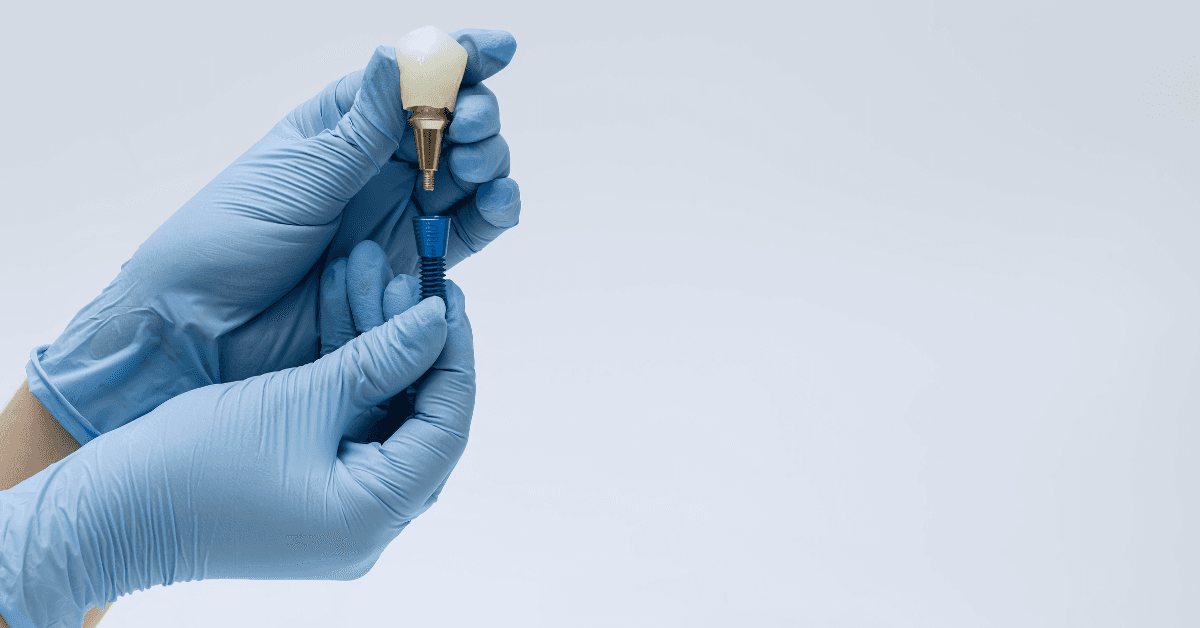
Dental implant cases can generate $3,000 to $30,000 per patient. Yet most practices still rely on generic dental marketing that attracts cleanings, not full-arch cases. If you’re searching for dental implant marketing ideas that actually drive high-value treatment in 2026, you’re not alone.
The implant market is projected to keep growing steadily as the population ages and demand for permanent tooth replacement increases. But competition is sharper than ever. Corporate groups are aggressive. Google Ads costs are rising. Patients are more skeptical and more informed.
The global dental implants market is projected to grow from about $5.75 billion in 2026 to over $8.37 billion by 2031, expanding at a 7.8% CAGR as demand rises for advanced restorative solutions.” Global dental implants growth projected through 2031.
This guide breaks down what’s working now (and what we’ve seen fail), combining digital, local, and direct-response strategies that generate consults, not just clicks. Expect practical frameworks, performance benchmarks, and real-world insight.
Best Dental Implant Marketing Ideas
1. Build a High-Converting Dental Implant Landing Funnel (Not Just a Website Page)
Most implant campaigns fail for one reason: they send traffic to a generic service page.
In 2026, a proper implant funnel matters more than ever. Why? Because implant patients behave differently than hygiene patients. They research longer. They compare options. They worry about cost and pain.
We’ve seen this happen repeatedly: a practice spends $5,000–$10,000 per month on Google Ads, drives traffic to a basic “Dental Implants” page, and wonders why calls are inconsistent. Conversion rates hover at 2–3% when they should be 8–15% for focused implant funnels.
What a 2026 Implant Funnel Must Include
1. A Single, Clear Promise
Instead of listing every service you offer, lead with a transformation:
“Permanent Teeth in 24 Hours” or “Eat, Smile, and Live Without Dentures Again.”
Clarity increases conversion. When messaging is specific, we’ve seen consult bookings increase by 30–50% without increasing ad spend.
2. Social Proof Above the Fold
According to consumer research, over 85% of patients read reviews before booking. Implant patients especially want reassurance.
Use:
- Before-and-after cases
- Video testimonials
- Clear financing examples
- “X implants placed” credibility statements
If you want a deeper breakdown of patient acquisition positioning, this guide on How to Attract High-Quality Dental Patients to Your Practice pairs well with implant-specific funnels.
3. Financing Clarity
Cost is the #1 barrier to implant treatment acceptance. Not pain. Not time. Cost. Instead of saying “Financing Available,” show:
- Example monthly payments
- Third-party financing partners
- Transparent starting price ranges
When we’ve added clear monthly payment examples, consultation rates increased by as much as 22%.
Expected KPIs (First 90 Days):
- 8–15% landing page conversion rate
- $150–$400 cost per implant lead (varies by market)
- 25–40% consult show rate
2. Dominate Local Search for Implant Keywords
Over 70% of healthcare journeys begin online. And implant patients typically search with intent-driven phrases like:
- “Dental implants near me”
- “All-on-4 cost [city]”
- “Full mouth implants [city]”
In 2026, ranking locally is non-negotiable.
Local SEO Isn’t Optional, It’s Foundational
Dental marketing without strong local SEO is like building on sand. Google’s map pack controls high-intent visibility.
What works:
- Optimized Google Business Profile (weekly posts, service descriptions, Q&A updates)
- Implant-specific service pages (not lumped into general dentistry)
- Geo-targeted content (e.g., “All-on-4 in Scottsdale”)
- Consistent NAP citations
Practices that consistently optimize local SEO see up to 50% more inbound calls compared to competitors with similar review counts but weaker optimization.
If you’re refining your broader strategy, our guide on Top Dental Marketing Strategies That Actually Work outlines how implants fit into the bigger growth picture.
Use Location-Based Targeting Beyond SEO
Paid ads can layer on top of this with geo-fencing and radius targeting. According to industry benchmarks, location-based targeting can reduce wasted ad spend by 20–35%.
If you're unfamiliar with the mechanics, this overview of Location-Based Marketing: A Complete Guide explains how to use geography strategically instead of broadcasting to everyone.
Expected Timeline:
- SEO traction: 3–6 months
- Map pack improvement: 60–120 days
- Paid search ROI optimization: 30–60 days
3. Use Educational Video to Pre-Sell Implant Consultations
Implant patients are nervous. They want certainty before they ever call.
Video shortens the trust gap.
Studies show video can increase landing page conversions by up to 80% when implemented correctly. But here’s the nuance: it only works if it answers real objections.
We’ve seen this happen over and over, practices post polished “About Our Office” videos that generate zero lift. Meanwhile, simple educational videos filmed on an iPhone outperform them.
What Implant Videos Should Cover
- “Am I a candidate for dental implants?”
- “What does the implant procedure actually feel like?”
- “What happens if I’ve had dentures for years?”
- “How long do implants last?”
Keep videos between 2–4 minutes. Direct. Honest. Slightly imperfect is fine. Authenticity converts.
Where to Deploy Video
- Landing pages
- YouTube (optimized for local keywords)
- Retargeting ads
- Social media
- Email follow-ups after lead submission
When paired with paid traffic, we’ve seen consult show rates increase from 28% to 41% simply by sending pre-appointment educational videos.
If your practice focuses heavily on aesthetic transformation cases, you may also want to explore ideas in this breakdown of Top Cosmetic Dentistry Marketing Strategies, which overlap strongly with implant messaging psychology.
4. Use Direct Mail to Reach High-Intent Implant Candidates Offline
Digital gets attention. Mail gets remembered.
While inboxes are crowded and ad costs continue rising (Google Ads CPCs for implant-related terms often range from $8 to $25+ depending on the market), direct mail marketing still delivers one powerful advantage: physical presence.
According to USPS data, direct mail response rates average 4–9% for house lists significantly higher than average email click-through rates, which often sit below 3%. For high-ticket services like implants, even a 0.5–1% response rate can produce substantial ROI.
We’ve seen this happen repeatedly: practices in competitive metros struggle with paid ads, but a strategically targeted implant mailer generates 8–15 consult calls from a single 5,000-piece drop.
What Makes Direct Mail Work for Implants in 2026
Not every postcard works. In fact, most don’t.
Here’s what separates high-performing campaigns:
1. Hyper-Targeted Neighborhood Selection
Implant cases correlate strongly with:
- Homeownership
- Age 45+
- Middle-to-upper income demographics
Blanket mailing ZIP codes wastes budget. Geo-targeting affluent, established neighborhoods increases lead quality and case acceptance rates.
If you're evaluating whether this channel fits your practice, this breakdown of Does Direct Mail Still Work for Dentists? The Real Answer
explains the numbers behind it.
2. Strong, Specific Offer Positioning
Avoid generic “$500 Off Implants” messaging.
Instead:
- “Free Implant Consultation & 3D Scan”
- “Permanent Teeth in One Day”
- “Replace Your Dentures with Fixed Implants”
We’ve seen consult volume increase 30% when messaging focuses on transformation rather than discounting.
3. Strategic Design & Format
Postcard size affects visibility. Larger formats command attention in the mailbox and often increase response rates.
If you're unsure which format converts best, this guide on Best Postcard Size for Dental Direct Mail Success provides clear performance insights.
Direct Mail + Call Tracking = Measurable ROI
Implant campaigns must be tracked precisely. Without call tracking, you’re guessing.
Practices that implement advanced tracking see clearer attribution and optimize faster. Learn more about that in this guide on What is Call Tracking? A Complete Guide for Dental Practices.
Expected Implant Mail KPIs:
- 0.5–1.5% response rate (market dependent)
- 30–50% consult-to-case acceptance rate
- 3–6x ROI within 90–120 days if targeting is correct
For turnkey execution with geo-targeting, design, printing, and tracking handled end-to-end, many practices use solutions like MVP Direct Mail to simplify deployment and reduce staff workload.
5. Target New Movers Before Competitors Do
New homeowners are among the highest-value dental prospects.
Why?
Because over 60% of consumers look for new healthcare providers within the first six months of moving. And implant patients relocating often want to complete unfinished treatment plans or replace failing work.
We’ve seen practices generate consistent implant consults by being the first dental brand new residents see.
Why New Mover Campaigns Convert
- They’re actively building new provider relationships.
- They are already investing in their home and lifestyle.
- They are more open to elective treatment conversations.
Monthly updated mailing lists targeting verified recent movers can create a steady stream of high-quality leads instead of sporadic spikes.
If you’re exploring this strategy, New Mover Mail offers structured targeting designed specifically for dental practices.
Performance Benchmarks:
- 1–3% response rates in high-income neighborhoods
- 25–40% consult conversion
- Lifetime patient value significantly exceeding acquisition cost
The key is consistency. One drop won’t dominate. A 6–12 month presence builds familiarity and trust.
6. Reactivate Past Patients Who Already Trust You
The easiest implant case may already be in your database.
Industry studies show that 20–30% of dental patients delay recommended treatment. That includes implants for missing teeth, failing bridges, or unstable dentures.
Instead of constantly chasing new traffic, 2026 growth strategies prioritize reactivation.
We’ve seen this happen in mature practices: tens of thousands of dormant patient records sit untouched while marketing budgets go entirely toward acquisition.
How to Reactivate Implant Candidates
Start with:
- Patients with missing teeth
- Denture wearers
- Failed crown and bridge cases
- Treatment plans presented but not accepted
Personalized outreach especially HIPAA-compliant direct mail outperforms generic email blasts.
Campaigns that highlight:
- Updated technology
- Flexible financing
- Limited-time consult incentives
…can reignite interest quickly.
Solutions like My Patient Mail allow practices to send personalized, compliant reactivation campaigns without administrative burden.
Expected Outcomes:
- 2–5% response rates
- Higher case acceptance (trust already established)
- Lower cost per implant case compared to cold traffic
This is often the highest-ROI implant marketing channel we see yet it’s the most overlooked.
7. Use Testimonials Strategically, Not Generically
Implant decisions are emotional. Patients want reassurance.
According to BrightLocal, 87% of consumers read reviews for local businesses. But implant prospects go deeper, they look for stories similar to their situation.
Instead of simply saying “5-Star Rated,” spotlight transformation narratives:
- “I could finally eat steak again.”
- “I stopped hiding my smile.”
- “I threw away my dentures.”
We’ve seen implant mail and landing pages double response rates when real patient testimonials are prominently featured.
If you’re integrating testimonials into print campaigns, this article on Patient Testimonials in Dental Direct Mail explores how to structure them effectively.
Authenticity matters. Stock imagery and vague quotes reduce credibility. Real faces. Real names (when permitted). Real outcomes.
8. Track What Matters: Implant ROI, Not Just Leads
Implant marketing is expensive. That’s reality. Whether you’re investing in SEO, paid ads, video production, or direct mail marketing for dental practices, you cannot afford to measure vanity metrics.
Clicks don’t matter. Even leads don’t matter.
Case acceptance does.
We’ve seen this happen countless times: a practice celebrates 40 implant leads in a month, yet only closes three cases. Meanwhile, another office generates 15 leads and closes eight because their follow-up system, financing conversation, and consultation process are dialed in.
In 2026, the competitive edge isn’t just traffic generation. It’s tracking and optimization.
The Implant Marketing Metrics That Actually Matter
Here’s what we recommend monitoring monthly:
- Cost per lead (CPL)
- Cost per consult
- Consult show rate
- Treatment acceptance rate
- Cost per implant case
- Average case value
- 90-day ROI
For example:
- If your average implant case is $18,000
- Your cost per case is $3,500
- Your consult acceptance rate is 35%
You have a scalable system.
But if your show rate is below 25%, your problem isn’t marketing, it’s internal follow-up.
Tracking systems and structured reporting help eliminate guesswork. If you’re running mail campaigns, this guide on How to Measure Direct Mail Success for Dental Practices breaks down practical attribution models.
The goal is simple: identify your highest ROI channel and double down.
9. Build a Multi-Channel Implant Acquisition System (Not a One-Off Campaign)
The most successful implant practices in 2026 are not relying on one strategy.
They layer:
- Local SEO for consistent organic visibility
- Paid ads for high-intent capture
- Educational video for trust building
- Direct mail for geographic dominance
- New mover campaigns for steady prospect flow
- Patient reactivation for low-cost conversions
This is what we call marketing compounding.
We’ve seen this happen in competitive metro markets: once a practice appears in search results, social feeds, and the mailbox simultaneously, brand trust accelerates. Response rates increase because patients feel familiar with the name.
It’s not about being everywhere randomly. It’s about strategic overlap.
If you're building a broader dental growth plan, our article on Maximize ROI with Smart Dental Direct Mail Strategies explains how offline channels integrate with digital for stronger overall performance.
Expect realistic timelines:
- 30–60 days: Paid campaigns optimized
- 60–120 days: Direct mail traction visible
- 3–6 months: SEO momentum builds
- 6–12 months: Predictable implant case flow
Implant marketing is not instant. But it becomes predictable when structured properly.
Conclusion: The Practices That Win in 2026 Will Be Intentional
The best dental implant marketing ideas for 2026 are not gimmicks. They are systems.
You’ve seen the framework:
- High-converting implant funnels
- Local SEO dominance
- Educational video that builds trust
- Strategic direct mail and new mover targeting
- Patient reactivation campaigns
- Precise tracking and ROI measurement
- Multi-channel integration
Each strategy alone can work. Together, they compound.
Implant patients require reassurance, education, and financial clarity. Practices that communicate transformation, not discounts will outperform those competing on price alone.
We’ve watched offices go from sporadic implant cases to consistent 6–10 case months simply by tightening their messaging, targeting smarter neighborhoods, and tracking performance rigorously. This isn't a theory. It’s execution.
If you’re serious about scaling implant cases in 2026, the next step isn’t guessing, it’s building a structured plan.
Visit MVP Mailhouse to explore our dental marketing resources, or schedule a demo to see how our turnkey solutions can help you attract more implant consultations, increase case acceptance, and grow predictable revenue without overwhelming your team.
The opportunity is there. The difference is strategy.
Tags
Industry Insights
Frequently Asked Questions
Related blog



Ready For Your Success Story?
Get 500 Free Handout cards shipped right to your doorstep!