Design tips for Dental Postcards
Boost your dental practice with our design tips for dental postcards, ensuring effective patient engagement. Learn more and start now!

MVP Marketing
marketing manager
·19 min read
·Mar 13, 2025


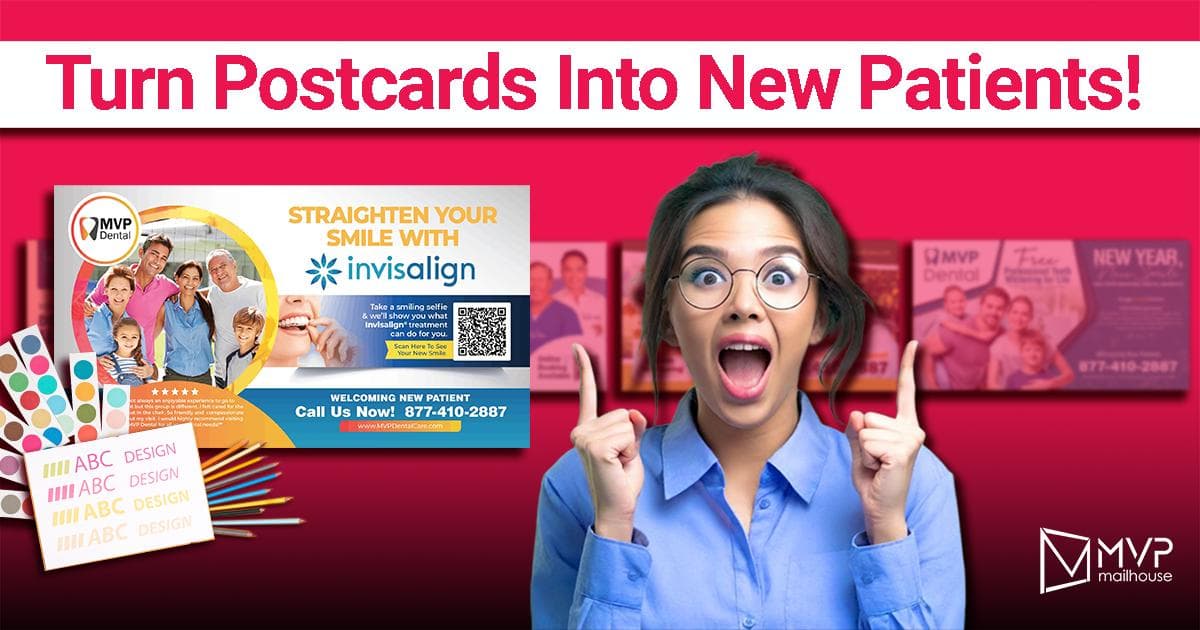
Creating an effective dental postcard is simple but essential. Your postcard must visually appeal and connect emotionally with potential patients. Start with images of your office and team that suggest comfort and reliability.
Choose calming colors like blues and greens to evoke cleanliness and peace.
Your postcard should quickly highlight your special offerings like same-day crowns or pain-free treatments. Include real patient feedback to build credibility. Make sure your call to action is direct and personal, such as, "Book your pain-free consultation with Dr. Smith now!"
Adding a QR code can link your postcard to online resources, enhancing interaction and trust. This method not only promotes your services but also reflects your commitment to high-quality patient care, boosting your practice's image.
Understanding the Basics of Dental Postcard Design
What Makes a Good Postcard Design?
Creating an effective dental postcard design is all about simplicity and impact. Here's how to create a postcard that grabs attention and encourages action, crucial for any dental practice looking to boost patient interaction and response rates.
- Visual Appeal and Branding: A great dental postcard should look good and feel personal. Choose images that show off happy smiles or stunning before-and-after results. Stick to your brand colors to build trust and recognition. Remember, cool colors like blues and greens suggest cleanliness, while bold colors like red highlight special deals.
- Clear, Concise Messaging: With limited space, your message must be straightforward and easy to read. Opt for short, punchy phrases or bullet points to highlight key offerings like, "Free Whitening with a New Patient Exam!" Keep your design clean so your message stands out.
- Eye-Catching Call-to-Action (CTA): Your CTA is crucial. Make it clear and place it where it can’t be missed. Use contrasting colors to make it pop. Phrases like "Book Your Appointment Today!" create urgency and prompt a quick response. Also, offer multiple contact methods like a phone number, website, or QR code.
- Testimonials Boost Credibility: A brief, impactful review from a happy patient can work wonders. Pick a testimonial that reflects the quality of your service. This adds a personal touch and makes new patients more comfortable.
- Follow Postal Rules: Make sure your postcard meets postal standards. Keep crucial info clear of areas that might be covered by postal marks. Knowing these rules helps avoid delivery issues.
Focus on these elements to make your dental postcard not just a piece of mail, but a powerful tool for growing your practice. Each design decision should balance beauty with clarity, making sure that every part of your postcard is working together to draw in new patients.
Design Restrictions for Postcards
Designing a postcard isn't just about making it look good. It's a careful blend of picking the right size, sticking to postal rules, and choosing quality materials. Here’s a simple breakdown:
Size and Layout
Choosing the right size for your postcard is pivotal. Standard sizes like 4"x6" or 5"x7" are not only cost-efficient but also meet the requirements for USPS’s first-class mail postcard rate, which can significantly reduce your mailing costs. When designing, it's essential to maximize the space while ensuring that the core message is instantly clear.
Think about the visual flow; the layout should guide the reader's eye through the content smoothly, with the most critical information (like a call to action) placed prominently.
Postal Guidelines
Compliance with postal regulations is non-negotiable. The USPS specifies clear zones where no critical design elements or text should be placed—these are reserved for addressing and postage.
Typically, the bottom right corner of the back of your postcard needs to be kept clear for the barcode, and the top right corner should accommodate the stamp or indicia. Ignoring these guidelines can lead to your mail being undeliverable, delaying your message and wasting resources.
Material Quality
The choice of paper for your postcard affects not just how it feels to the touch but also how well it withstands the rigors of postal handling. A thicker, high-quality cardstock ensures that your postcard doesn’t just survive the journey but also captures the recipient’s attention through its substantial feel.
Moreover, finish options like gloss or matte can influence the visual effectiveness of your design; glossy finishes make colors pop and are great for vibrant, image-heavy designs, while matte is preferable for a more sophisticated, text-focused look.
Incorporating Expert Insights:
- Testing and Feedback: Before finalizing your postcard design, consider a test mailing to a smaller segment of your target audience. The feedback can be invaluable in refining your approach, especially in how your message is perceived.
- Sustainability Concerns: With an increasing number of consumers valuing eco-friendly practices, opting for recycled paper or sustainable sourcing can be a significant plus. Highlighting this choice in your postcard’s design or message can enhance your brand’s image and appeal to a broader audience.
- Digital Integration: Augment the physical impact of your postcard with digital elements. QR codes that link to your website or special offers not only track the effectiveness of your campaign but also bridge the gap between physical and digital marketing strategies.
By paying attention to these details, your postcard will not only meet legal and practical requirements but also stand out in the mailbox. It’s about crafting an experience that feels personal and direct, a tangible connection in an increasingly digital world.
Creating an Engaging Visual Experience
Choosing the Right Images
Creating the perfect dental postcard is simple yet effective. Start with these tips to make your postcard stand out:
- Before and After Shots: Show the real impact of your treatments. Use clear, high-quality photos that showcase a variety of patients. This not only demonstrates your skill but also connects emotionally with your audience.
- Happy Patients: Use candid shots of patients smiling after their appointments. These images are relatable and warm. Add brief testimonials to these pictures to share personal success stories.
- Professional Team: Include photos of your team in action. Avoid stiff, posed group photos; instead, choose lively shots of your staff engaging with patients. This approach makes your practice seem welcoming and professional.
Keep your imagery sharp and relevant to highlight the quality care you provide. Consider professional photography to enhance the visual appeal of your postcard. By focusing on transformation, satisfaction, and trust, your postcard will not just capture attention but also encourage new patients to visit your practice. This way, you’re not just advertising; you’re proving your dedication to top-notch dental health.
Color Schemes That Communicate
Colors do more than just make things look nice. They send messages and feelings. Think about a dentist’s office. You’d want colors that make you feel clean and calm, right? Soft blues and gentle greens are perfect. Blue brings trust and calm, which is great for healthcare. Green adds to this feeling, making you think of health and peace.
Now, if a dentist wants to attract families, bright colors are the way to go. Fun yellows and lively oranges catch kids’ eyes and make the dentist seem fun. This helps kids feel less scared about going.
Colors can also make special deals pop. Want to highlight a discount? Use bold reds or oranges. These colors grab attention and get people excited. They’re perfect for getting a quick response.
When picking colors for your postcard, think about what each color means and how it can help your message. This way, you’re not just making something pretty—you’re making something that works.
Textual Content: Balancing Information and Readability
Headline and Body Text
Headline Simplification: Clear and Catchy
Create an engaging headline for your postcard. It’s the first thing people see. Make it straightforward yet appealing. Use a clear statement or a direct question. It should reflect the main benefit you’re offering.
Body Text Streamlining: Direct and Short
Detail your main points in the postcard’s body. Keep it brief and to the point. Use lists to outline your services or special offers. This makes your message easy to scan and keeps readers interested. Back up your headline with every point, clearly showing the benefits. Short facts or achievements can make your claims more believable.
Typography and Readability
Choose easy-to-read fonts. Fonts are important. Pick ones that look good and are easy to read at a glance, like sans-serif types. This helps make your postcard clear and modern.
Contrast and Colors: Bold yet Balanced
Use strong contrasts for easy readability. Colors should match your brand and pop against the background. Use bold colors wisely to highlight important details. A thoughtful color scheme makes your postcard look professional and helps with brand recognition.
By focusing on these basics, your postcard will not only look good but also clearly communicate your message and appeal to your audience. Each part, from wording to typography, should seamlessly work together to present your message effectively.
Designing an effective dental postcard requires a careful blend of creativity and strategy. By focusing on visual appeal, straightforward communication, and compelling calls to action, you can create a postcard that not only captures attention but also persuades patients to take the next step.
For more insights into the specifics of design techniques and strategies, look into the MVP Mailhouse Design Template Gallery, which offers a variety of templates that can inspire your next direct mail campaign.
Advanced Design Strategies for Dental Postcards
Personalization and Customization
Personalization is key in today's ad-heavy world. Tailored dental marketing, like specific postcards, really hits home. Here's a simple guide on making personal connections that are expert and genuine:
- Audience Segmentation: Don't just use age or location. Mix in behaviors and lifestyles. For families, promote your kid-friendly, pain-free dental care. This makes your messages hit closer to home and shows you care.
- Custom Offers: Look at what treatments a patient has had. No aesthetic services after their check-up? Offer a discount on teeth whitening or braces. It shows you're paying attention and encourages them to try new treatments.
- Local Touch: Tie in local events. A local sports game coming up? Theme your postcards with "get a winning smile." It shows you’re part of the community and boosts your local appeal.
- Ask for Feedback: Use your postcards to ask for thoughts on your service. Adjust based on what they say. It shows you listen and strive to improve, enhancing your credibility.
Using these personalized tactics makes your dental practice’s marketing not just seen but felt. It boosts patient interaction and builds trust, paving the way for long-term loyalty.
Utilizing Technology in Design
In today's marketing world, simplicity rules. Let's simplify your direct mail pieces using smart tech:
QR Codes: Simple Links to More
QR codes make everything easier. Place one on a postcard. It zips customers to your website, where they can book services or learn more through a video. It's straightforward and tracks well, giving you clear data on what works.
Augmented Reality (AR): Simple yet Surprising
Imagine popping a virtual dental office right from a postcard. That's AR. It’s simple for the user: scan and explore. It’s exciting and shows your cutting edge without complexity.
Quick Tips:
- Data Is Your Friend: Use QR data to keep refining your mail. Simple adjustments mean more effective future mail.
- Keep Content Fresh: With AR, keep it light, fun, and aligned with your brand. Simple doesn't mean boring
By stripping back to these basics, your postcard isn't just a piece of mail. It’s a gateway to a simpler, yet fuller experience with your brand. It’s not just smart; it’s future-proof, building trust with every scan and view.
Incorporating Effective Branding
To boost your marketing with postcards, start with strong branding. This isn't just about looks. It makes your brand stick in people's minds.
- Logo Tips: Put your logo where it'll catch the eye but not take over. Top corners or the center work well. Make sure it doesn't overshadow important details. Sometimes, a subtle, embossed logo works wonders.
- Colors and Fonts: Use your brand's colors and fonts to be consistent and memorable. Color choice matters. Blues are trustworthy, yellows are lively. Choose fonts that are easy to read and fit your brand's vibe. Traditional? Go for serif. Modern? Sans-serif is your friend.
- Materials: The right paper makes a difference. Matte suggests elegance, glossy highlights colors. Textured paper is also a smart pick. It makes your postcard feel special and worth holding onto.
- Consistent Words: Match your words with your visuals. Keep your brand’s voice clear, whether it's professional or playful. This strengthens your brand's identity and makes your message stick.
By using these tips, your postcards won't just share information. They'll connect with people and build trust in your brand. Make every detail of your postcard count, blending classic marketing strategies with a personal touch to engage your audience effectively.
Design Tips for Impactful Content Layout
A great layout helps readers understand and enjoy your message. Here’s how to design content that grabs and keeps attention:
Strategic Hierarchy of Information
- Keep It Clear: Start with the big stuff. Use big, bold fonts for important messages. Smaller details can use smaller fonts. This guides the reader’s eyes, making sure they see what’s most important first.
- Mix Text and Images: Find a good mix. Text tells the story. Images add emotion. Make sure they work together, not against each other.
Optimal Use of White Space
- Avoid Clutter: Don’t pack everything in. Use white space. It helps break up information, making everything clearer and easier to read.
- Pro Tips: Good design uses space well. Everything on your postcard should have a reason to be there. It’s about making the reader’s journey through your content smooth and interesting.
Remember, a good layout does more than carry information. It engages, persuades, and makes your content memorable. By focusing on clear, engaging design, your content will not only look good but also achieve its goal effectively.
The Role of Feedback in Design Iteration
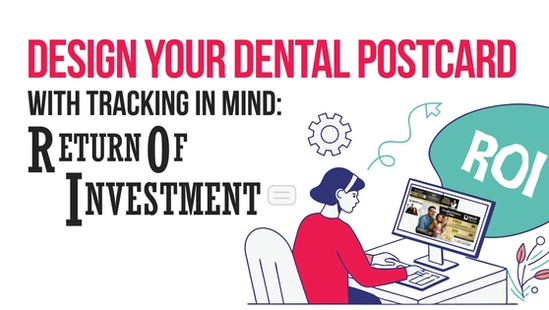
In direct mail marketing, feedback is key. It sharpens your designs and messages, making them hit closer to home with your audience. When you use feedback well, you don't just get better engagement; you see a real lift in your ROI.
How to Gather Feedback Effectively:
- Quick Surveys: After your postcards hit mailboxes, send a short survey through your Direct Mail Campaign strategies. Find out what recipients think about the message clarity, design appeal, and any actions they took.
- Track Engagement: Keep tabs on how your postcards perform. Tools like QR codes or unique URLs make it easy to see what's working and what's not.
Breaking Down the Data:
- Response Rates: Check which designs get the most replies. A high response rate often means something in the design or message is working well.
- Patient Insights: In healthcare campaigns, patient feedback is gold. It helps fine-tune everything from tone to content relevance.
- ROI Evaluation: Measure how much bang you're getting for your buck. Look at direct responses and other benefits, like better brand recognition.
Using What You Learn:
Take what you learn from each campaign and use it to improve the next. This cycle of feedback and refinement makes your direct mail efforts stronger each time. By methodically using feedback, your campaigns become more engaging and effective.
Leveraging Expert Strategies:
With expert strategies, you ensure your content not only meets quality standards but also truly engages and informs. This sets a new bar for what direct mail can accomplish.
A statistical fact to include in your article on the effectiveness of dental postcards in engaging patients could be drawn from the advantages seen with personalized reminder systems. Studies show that personalized dental recall reminders, such as postcards, significantly reduce missed appointments. Specifically, dental patients who received appointment reminders had their rate of missed appointments drop from 9.4% to just 3%, underscoring the effectiveness of such reminders in improving patient attendance and engagement (source).
Additionally, dental postcard campaigns have demonstrated good conversion rates, with some dentists experiencing a patient acquisition cost as low as $300 per patient and seeing significant returns on their marketing investments.
This data highlights how strategically designed and targeted dental postcards can play a crucial role in not only reminding patients of their appointments but also in reducing no-shows, which enhances the overall operational efficiency and profitability of dental practices.
Integrating Dental Postcards into Your Marketing Strategy
The final piece of the puzzle in leveraging dental postcards effectively is integrating them seamlessly into your broader marketing strategy. This makes sure that each postcard not only stands out as a singular piece of marketing but also complements other channels and efforts.
Multi-Channel Integration
To catch your audience's attention, merge your online and offline marketing. This blend boosts visibility and builds trust with customers. Here’s a straightforward plan for integrating multiple channels:
- Simple Online-Offline Links: Make sure offline materials like postcards highlight your online world. Add social media tags to your postcards. Include QR codes too. These codes can send people to special web pages that offer deals or more about your services. This method makes the switch from physical to digital smooth and easy.
- Uniform Messages Everywhere: Keep your messaging the same across all channels. Whether it's postcards, emails, or social posts, the theme should be consistent. This repetition solidifies your brand and makes your message stick. Say you’re having a sale. Mention it in emails and on social media too. This ensures customers get the same message, boosting brand recognition and pushing sales.
- Data-Driven Customization: Use customer data to personalize your outreach. Tailored messages resonate more. Let online behaviors guide your offline offers. For instance, if customers often buy a specific product after browsing your site, feature it in your mail campaigns with a special deal tailored to their interests.
- Showcasing Your Expertise: Position your brand as a knowledgeable leader. Every content piece, online or offline, should showcase your industry expertise. This might include detailed blogs, comprehensive service descriptions, or case studies that highlight your achievements. Trust comes from demonstrating your consistent ability to deliver.
Make sure your engagements prompt action. Whether it’s through QR codes or other interactive elements, include clear CTAs.
These could invite people to register for special content, offer a free consultation, or provide a discount on their first purchase. Make these actions easy to follow, reducing effort and boosting conversions.
Integrating these tactics ensures your marketing reaches people across different platforms and provides a cohesive and positive brand experience. This not only meets modern consumer expectations but also distinguishes your brand as a leader in engaging and satisfying customers.
Timing and Frequency
To effectively time your postcard campaigns, it’s essential to know your audience and industry. Here’s a simple guide to planning your mailings to boost engagement and conversions:
Strategic Timing
- Seasonal Promotions: Send postcards for seasonal events. For example, dentists could remind families of back-to-school check-ups in late summer. Before holidays like Christmas, offer cosmetic services like teeth whitening.
- Event-Triggered Mailings: Also, mail postcards for personal events like birthdays or anniversaries. This shows care and strengthens bonds with your customers.
Consistent Updates
- Regular Communication: Keep in touch regularly. Maybe send quarterly updates about new services or monthly staff highlights. This builds trust and keeps your practice top of mind.
- Educational Content: Use postcards to teach important health topics. A series on the benefits of regular dental check-ups could establish your practice as a knowledgeable authority.
Feedback Loop
- Response Analysis: Monitor how different groups react to your mailings. Use A/B testing to fine-tune your strategy based on real feedback. Younger people might like digital extras, like QR codes that offer a special deal or video.
- Engagement Tracking: Track campaign effectiveness with tools like personalized URLs or promo codes. This helps measure ROI and understand what your audience prefers, leading to better future campaigns.
Adopt these strategies to turn your postcard marketing from a simple reminder tool into a comprehensive engagement platform. This method not only retains patients but also attracts new ones, reinforcing your practice’s authority and enhancing every interaction with your audience.
Tracking and Adjusting
To boost your direct mail efforts, setting up simple tracking systems is key. These help you measure success and guide improvements. You can track how people interact with your mail by using unique phone numbers and special web pages. This lets you see who responds and how.
Using unique phone numbers on each postcard allows precise monitoring of responses. This helps you identify which version of your postcard works best. It’s an easy way to learn what messages and designs hit the mark.
Custom web pages are also great for deeper insights. When people visit these pages, you can watch what they do there. You'll see how long they stay and what catches their interest. If they fill out a form or buy something, you’ll know your mail is working.
With this data, tweaking your mail campaigns becomes straightforward. You’ll figure out what your audience likes. If a certain type of message gets more responses, you might use it more.
Adjusting your strategy based on what you learn boosts your results and shows you care about your audience’s needs. It makes your brand seem thoughtful and trustworthy.
By keeping your tracking simple and focused, every decision and change is well-informed. This leads to better marketing and stronger connections with customers. You'll not only show off your expertise but also build a reputation for reliability.
Conclusion
Throughout this exploration of dental postcard design, from basic principles to advanced integration strategies, we've seen how these small pieces of cardstock can make a big impact. Effective postcard design hinges on:
- Understanding the basic and advanced design principles that make a postcard both visually appealing and functionally effective.
- Personalizing content to connect more deeply with recipients, using technology to enhance interaction.
- Consistent branding and cohesive messaging across all marketing channels to strengthen brand recognition.
- Strategic integration into a broader marketing strategy, enhancing the overall marketing efforts with consistent and well-timed postcard campaigns.
As dental practices continue to evolve and compete in a crowded market, the smart use of postcards can be a significant differentiator. By following the design tips and strategies outlined in this guide, your practice can create compelling, effective marketing pieces that not only convey your message but also deeply resonate with your patients.
We hope this guide empowers you to design and utilize dental postcards that are not just informative but also engaging and representative of your unique brand. Remember, the effectiveness of your postcards can significantly enhance patient engagement and help grow your practice.
Ready to create your own standout dental postcards? Visit our MVP Mailhouse Design Template Gallery for inspiration, and learn more about crafting successful direct mail campaigns at our comprehensive guide on How To Do A Direct Mail Campaign Successfully. Start transforming your dental marketing strategy today—your next patient is just a postcard away!
Tags
Design and Creativity
Frequently Asked Questions
Related blog


Ready For Your Success Story?
Get 500 Free Handout cards shipped right to your doorstep!