Dental Referral Program Ideas: Boosting Loyalty and Growth
Dental referral program ideas that drive real growth: learn proven strategies, incentives, and systems to increase loyalty, referrals, and patient value.

Emily Duke
marketing manager
·14 min read
·Oct 2, 2025



Dental referral program ideas aren’t just “nice-to-have” tactics, they’re one of the most cost-efficient growth levers in modern dentistry. In fact, referred patients are 4x more likely to convert and have a 16% higher lifetime value compared to non-referred patients (Wharton School of Business).
So the real question isn’t whether to build a referral program, it’s how to design one that consistently drives patient growth without feeling transactional or forced.
This guide breaks down practical, experience-backed strategies to help you build a dental referral program that actually works, one that increases loyalty, improves retention, and generates predictable patient flow.
Why Dental Referral Programs Still Outperform Paid Channels
Most practices underestimate the compounding effect of referrals. Paid ads bring visibility, but referrals bring trust at scale and trust converts faster than any marketing channel.
Referral programs generate 25–30% of new patients in well-established dental practices, while referred patients convert 3–5x higher than cold leads making them one of the most efficient growth channels in dentistry.
The data supports this: 92% of consumers trust referrals from people they know over any form of advertising (Nielsen). That trust carries over directly into dental decision-making, where fear, cost, and long-term commitment play a role.
In practice, referral-driven patients tend to:
- Accept treatment plans more quickly
- Show higher appointment compliance
- Stay longer with the practice
Across campaigns, referral patients often reduce acquisition costs by 30–50% compared to paid channels. That’s not just efficiency, it’s leverage.
If you’re already investing in patient acquisition, layering in a structured referral system multiplies your ROI. If not, you’re leaving one of the most predictable growth channels untapped.
For a deeper breakdown of referral mechanics, this guide on how to get dental referrals expands on foundational strategies.
The Real Benefits of Dental Referral Programs (Beyond New Patients)
A dental referral program isn’t just about bringing in new patients, it reshapes how your practice grows.
Here’s what actually happens when referral systems are executed properly:
1. Higher Patient Retention Rates
Referred patients don’t just join, they stay.
Research shows referred customers have a 37% higher retention rate (Deloitte). In dentistry, that translates to consistent hygiene visits, long-term treatment plans, and stable recurring revenue.
In practice, retention improves because referrals come pre-aligned with your practice expectations. They already trust you before the first visit.
This aligns directly with broader retention strategies outlined in how to increase patient retention in dentistry.
2. Stronger Patient Relationships
Referral programs subtly shift your practice from transactional to relational.
When a patient refers someone, they’re essentially endorsing your brand. That psychological commitment deepens loyalty.
Across real campaigns, patients who refer at least once are 2–3x more likely to become long-term advocates.
This matters because advocacy compounds. One loyal patient can generate multiple new patients over time without additional ad spend.
3. Lower Cost Per Acquisition (CPA)
Traditional dental marketing especially digital continues to get more expensive.
Referral programs, on the other hand, often deliver the lowest CPA across all channels, sometimes under $50 per patient depending on incentives.
Compare that to paid search campaigns where cost-per-lead can exceed $150–$300 in competitive markets.
In practice, referral programs don’t replace paid marketing, they stabilize it.
4. More Qualified, High-Value Patients
Not all patients are equal.
Referrals tend to mirror your best patients: same demographics, same expectations, same willingness to invest in care.
This creates a self-reinforcing cycle:
- Better patients → Better referrals → Stronger practice positioning.
If your goal is to consistently attract higher-quality cases, combining referrals with targeted outreach like direct mail targeting strategies can sharpen results even further.
What Makes a Dental Referral Program Actually Work
Here’s where most practices get it wrong: they launch a referral program and nothing happens.
Not because referrals don’t work but because the structure is weak.
From what we’ve observed across multiple campaigns, successful dental referral programs share three core traits:
1. Clear, Simple Incentives
If patients have to think too hard, they won’t act.
The most effective programs use straightforward offers:
- “Refer a friend, both of you receive $50 credit”
- “Free whitening after 3 successful referrals”
Clarity beats creativity every time.
2. Strong Timing Triggers
Asking for referrals at the wrong time kills momentum.
The best-performing practices ask when:
- A patient completes a successful treatment
- A positive experience is fresh (e.g., after pain relief or cosmetic results)
- The patient expresses satisfaction verbally
Timing alone can double referral participation rates.
3. Multi-Channel Reinforcement
A referral program shouldn’t live in one place.
High-performing practices reinforce it through:
- In-office signage
- Email follow-ups
- SMS reminders
- Printed materials
This is where Direct mail marketing becomes surprisingly effective.
Physical reminders especially personalized mailers create stronger recall than digital-only campaigns. In fact, direct mail has a 90% open rate compared to ~20–30% for email (Data & Marketing Association).
When done right, patient testimonials in dental direct mail can amplify trust and encourage referrals at scale.
Setting Realistic Expectations: Timeline and KPIs
One of the biggest misconceptions about referral programs is speed.
They’re not instant but they are predictable.
Here’s what realistic performance looks like:
First 30 days:
- Awareness phase
- 5–10% of patients engage
60–90 days:
- Referral flow stabilizes
- 10–20 new patients/month (mid-sized practice)
3–6 months:
- Compounding effect kicks in
- 20–40% of new patients come from referrals
Key KPIs to track:
- Referral participation rate
- Cost per referred patient
- Conversion rate of referred leads
- Lifetime value of referred patients
When these metrics are tracked and optimized, referral programs shift from “passive growth” to a controllable acquisition channel.
High-Impact Dental Referral Program Ideas That Actually Drive Growth
Most dental referral program ideas fail for one simple reason, they’re too generic. A “refer a friend, get $25” offer won’t move the needle in a competitive market.
The programs that perform well are intentional, experience-driven, and tied to real patient motivations, not just discounts.
Below are proven, high-performing ideas based on what actually converts in practice.
1. Dual-Sided Incentives: Reward Both Patients Strategically
Referral programs work best when both sides benefit.
This isn’t just theory, dual-sided incentives increase referral participation by up to 2x compared to single-sided offers (Harvard Business Review).
Instead of rewarding only the referrer, structure offers like:
- “Give $50, Get $50” account credit
- “Your friend gets a free exam, you get whitening credit”
In practice, this removes friction. Patients feel more comfortable referring when they’re offering value, not just asking their friends to spend money.
We’ve seen practices increase referral volume by 30% simply by shifting from one-sided to dual-sided rewards.
2. Tiered Referral Rewards That Build Momentum
One-time rewards create one-time behavior. Tiered systems create habits.
Think in progression:
- 1 referral → $25 credit
- 3 referrals → Free whitening
- 5 referrals → Major treatment discount or premium service
This structure taps into behavioral psychology, people are far more likely to continue once they’ve started.
Across campaigns, tiered systems often produce 2–3x more referrals per active participant compared to flat rewards.
3. “VIP Patient” Referral Clubs
This is where things get interesting.
Instead of positioning referrals as a transaction, position them as access.
Create a “VIP referral club” where patients who refer consistently receive:
- Priority scheduling
- Exclusive discounts
- Annual perks (free upgrades, cosmetic add-ons)
In practice, this shifts referrals from a marketing tactic into a status-driven system.
And status drives behavior.
We’ve observed that a small segment often 10–15% of patients can generate 50%+ of total referrals when properly incentivized.
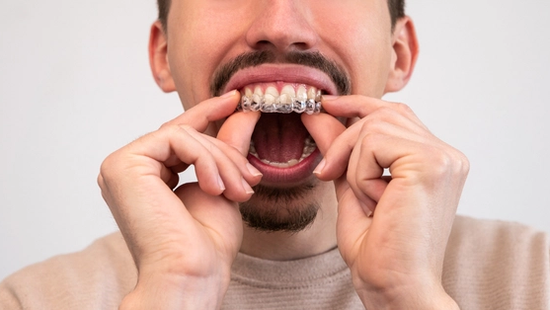
4. Free Orthodontics for Staff and Immediate Family (Internal Referral Engine)
This is one of the most underutilized and powerful, referral strategies.
Offer high-value services (like orthodontics) to your team and their immediate family at little to no cost.
Why it works:
- Staff become authentic brand advocates
- Their personal networks trust their recommendations
- It creates organic, high-quality referrals
In practice, internal referrals often convert at the highest rates because they’re rooted in real relationships.
Across clinics that implement this, staff-driven referrals can account for 15–25% of new patient flow within 6 months.
5. Treatment-Based Referral Bonuses
Not all referrals should be treated equally.
A patient referring someone for a basic cleaning isn’t the same as referring a high-value case like implants or Invisalign.
Structure rewards based on treatment value:
- Basic visit → Small credit
- Cosmetic/ortho case → Premium reward (cash equivalent, major service credit)
This aligns incentives with business goals.
In practice, this approach increases high-ticket case referrals by 20–40%, especially in cosmetic-focused practices.
6. Direct Mail Referral Campaigns (Underrated but Highly Effective)
Digital gets attention but physical gets remembered.
Combining referral programs with Direct mail for dentists creates a powerful reinforcement loop.
Here’s how it works:
- Send personalized mailers encouraging referrals
- Include referral cards patients can hand to friends
- Add testimonials to build trust
The data is clear: direct mail response rates average 4.4%, compared to 0.12% for email (Data & Marketing Association).
In practice, direct mail performs especially well for:
- Reactivating inactive patients
- Reminding loyal patients to refer
- Reaching older demographics
If done strategically, it becomes a consistent referral driver, not just a branding tool.
To understand how messaging impacts results, this breakdown on why strong calls-to-action matter in direct mail marketing highlights how small tweaks can significantly lift response rates.
7. Referral Contests (Short-Term Growth Spurts)
If you need a quick spike in patient volume, referral contests work.
Examples:
- “Refer the most patients this month and win $500”
- “Every referral = entry into a premium giveaway”
These campaigns create urgency and urgency drives action.
Across short-term campaigns, referral contests can increase participation rates by 40–70% during the campaign window.
The key is timing:
- Run during slower months
- Align with seasonal demand (e.g., back-to-school, holidays)
8. Referral Integration with Patient Reactivation Campaigns
Here’s a missed opportunity: inactive patients.
Patients who haven’t visited in 6–18 months are often overlooked—but they still trust your brand.
Reactivation campaigns paired with referral incentives can unlock hidden growth.
For example:
- “Come back for your cleaning and refer a friend—both receive a bonus”
In practice, this dual approach can:
- Recover lost revenue
- Generate new patient flow simultaneously
This aligns with strategies outlined in how to reactivate inactive dental patients, where re-engagement becomes a growth lever, not just retention.
9. Social Proof-Driven Referral Campaigns
People don’t refer blindly, they refer when they feel confident.
That’s where social proof comes in.
Incorporate:
- Patient testimonials
- Before-and-after cases
- Real success stories
When patients see others having positive experiences, they’re more likely to share your practice.
In practice, adding testimonials to referral campaigns can increase conversion rates by up to 34% (BrightLocal).
This also ties into broader acquisition strategies like how to attract high-quality dental patients, where trust is the primary driver of growth.
What Most Practices Miss (And Why Their Referral Programs Stall)
Here’s the blunt truth: most referral programs fail because they’re passive.
They exist but they’re not promoted, tracked, or optimized.
Common breakdowns include:
- No clear communication to patients
- Staff not trained to mention referrals
- No follow-up system
- Weak incentives
Across campaigns, once these gaps are fixed, referral volume often increases within 30–60 days without changing the offer itself.
How to Systemize and Scale Your Dental Referral Program
Strong dental referral program ideas are only as effective as the system behind them. The difference between a program that generates a few referrals… and one that consistently drives 20–40% of new patient volume comes down to execution.
In practice, scaling referrals isn’t about reinventing the offer, it’s about building a repeatable engine.
1. Build Referral Prompts Into Your Patient Journey
Referrals shouldn’t rely on memory, they should be embedded into your workflow.
High-performing practices trigger referral asks at key moments:
- After a successful treatment outcome
- During checkout conversations
- In post-appointment follow-ups (email/SMS)
This matters because timing drives action.
Patients are significantly more likely to refer immediately after a positive experience, when satisfaction is highest.
Across campaigns, adding structured prompts increases referral participation rates by 20–35% within 60 days.
2. Train Your Team to Drive Referrals Naturally
Your front desk and clinical staff are your most powerful referral channel—but only if they’re aligned.
Most teams don’t avoid referrals, they just don’t know how to introduce them naturally.
Effective scripting looks like this:
- “We love patients like you if you know anyone looking for a dentist, we’d love to take care of them too.”
- “We actually have a referral program where both of you benefit, happy to share details.”
Simple. Conversational. No pressure.
In practice, once staff are trained and incentivized, referral volume can increase by 25–50% without changing marketing spend.
This also addresses a deeper issue: many practices lose patients due to weak communication and engagement gaps. If that’s happening, this guide on why dental clinics lose patients breaks down the root causes.
3. Track the Right Metrics (And Actually Use Them)
You can’t scale what you don’t measure.
At a minimum, your referral program should track:
- Number of referrals per month
- Conversion rate of referred patients
- Revenue per referred patient
- Cost per referral acquisition
Why it matters:
Referred patients often deliver 25% higher profit margins due to lower acquisition costs and higher treatment acceptance (Influitive).
In practice, once tracking is in place, patterns emerge quickly:
- Which patients refer most
- Which incentives perform best
- Where drop-offs happen
That’s where optimization begins.
4. Combine Referrals With Direct Mail for Consistent Growth
Most referral programs rely too heavily on digital channels.
That’s a mistake.
Physical reinforcement especially through Direct mail marketing, adds consistency and recall that digital alone can’t match.
Here’s what works:
- Send referral reminder postcards to active patients
- Include referral cards they can physically share
- Highlight success stories and outcomes
The data supports this approach: 73% of consumers prefer direct mail for brand communication because it feels more personal (USPS).
In practice, combining referrals with direct mail often results in:
- Higher participation rates
- Better recall of the offer
- Increased word-of-mouth sharing
This approach fits into broader strategies outlined in top dental marketing strategies that actually work, where multi-channel consistency drives results.
5. Align Referrals With Your Overall Growth Strategy
Referral programs shouldn’t operate in isolation.
They work best when integrated with:
- Patient retention systems
- Reactivation campaigns
- New patient acquisition strategies
For example:
- Retained patients → more referrals
- Reactivated patients → fresh referral opportunities
- High-quality acquisition → better referral networks
This creates a growth loop, not a one-off tactic.
If you’re looking to expand beyond referrals, this guide on how to get more patient referrals connects referral systems with broader patient acquisition strategies.
What Results Should You Expect?
Let’s ground this in reality.
When properly executed, a dental referral program typically delivers:
Within 90 days:
- 10–20 new patients per month (mid-sized practice)
- 10–15% of total patient acquisition from referrals
Within 6–12 months:
- 20–40% of new patients coming from referrals
- 30–50% lower acquisition costs compared to paid channels
- Stronger patient lifetime value and retention
These aren’t outliers, they’re consistent benchmarks when systems are implemented correctly.
Conclusion: Turning Referrals Into Predictable Growth
Dental referral program ideas only matter if they translate into consistent action.
The practices that win aren’t necessarily the ones with the most creative incentives, they’re the ones that:
- Make referrals easy
- Ask at the right time
- Reinforce across multiple channels
- Track and optimize continuously
Referrals aren’t random. They’re engineered.
And when done right, they become one of the most reliable growth channels in dentistry, driving not just more patients, but better patients who stay longer and invest more in care.
Ready to Turn Referrals Into Predictable Patient Growth?
If you want a system that doesn’t just generate occasional referrals but delivers consistent, high-quality patient acquisition month after month, it starts with the right strategy.
From referral program design to high-performing Direct mail for dentists, we help practices build scalable systems that turn existing patients into a reliable growth engine.
Let’s build a referral-driven growth system that actually compounds.
Tags
Tips and Tutorials
Frequently Asked Questions
Related blog



Ready For Your Success Story?
Get 500 Free Handout cards shipped right to your doorstep!